 I love technology. Sometimes, however, it’s a double-edged sword.
Take microwaves, for example. They make our meal prep ever so much more speedy, but are they killing us at the same time?
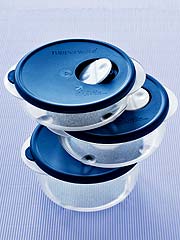
It’s true, you very well may be embalming yourself while still alive by heating food in plastic containers.
But how can we be sure if this long time legend is fact or fiction?
Let’s explore.
This post comes from a question my friend Sam Davidson, co-founder and CEO of CoolPeopleCare, asked me after a comment I left on one of his posts suggesting we “put a lid on it” instead of “zip it up” when it comes to storing our food.
The Argument:
Surely you’ve heard of this legend before. Check out Snopes.com, UrbanLegends.com, or any other similar site and you’re likely to find an entry on this topic.
Unfortunately, the argument is not as cut and dry as those sites would make it out to be.
The Nay-Sayers:
Those who would say that it is a myth that food heated in plastic containers can leach various toxins into the food being heated would say:
“All plastics certified for food contact are studied and strictly regulated by the FDA.”
They may also say:
“The FDA has seen no evidence that plastic containers or films contain dioxins (a known carcinogen identified by the FDA) and knows of no reason why they would.”
This is where the rumor often turns. All those stories on Snopes, et all, usually pertain to the once-rumored dioxins in plastic-ware. They do NOT, however, address the presence of other toxins.
The Believers:
Ok, I’ll admit, I pitch my tent in this camp on this issue. Here’s why…
Edward Machuga, Ph.D., a consumer safety officer in the FDA’s Center for Food Safety and Applied Nutrition says,
“It’s true that substances used to make plastics can leach into food…But as part of the approval process, the FDA considers the amount of a substance expected to migrate into food and the toxicological concerns about the particular chemical. The agency has assessed migration levels of substances added to regulated plastics and has found the levels to be well within the margin of safety based on information available to the agency.”
For me, that’s not good enough.
The FDA also allows up to 25% of your body wash, medicine, toothpaste, food, etc to be made up of preservatives… but no one would touch a product with that concentration of formaldehyde or parabens with a 10-foot pole would they?
The Solution:
Instead of using those plastic containers to store your food, try some inexpensive glass containers with air-tight plastic lids (which means they don’t come in contact with your food) from Pyrex.
Yes, there will be some people out there who say, “Is it bad to simply store food in plastic containers or to HEAT it in plastic containers?” The answer is the latter. However, by storing the food in a container for Pyrex (or similar brand), you can pull that leftover spaghetti from the fridge and pop it right in the microwave.
Seriously, tell me who would take the time to transfer their leftovers from the plastic container they’ve been in while in the fridge, to some other container to reheat them.
Answer: hardly anyone.
What are your thoughts on the plastic vs. glass ware controversy?